
The push-back by Hillary Clinton was no longer available to keep the proponents of the thesis away that somehow it was India's problem that Pakistan misbehaves in Afghanistan or misbehaves at all, says K C Singh.
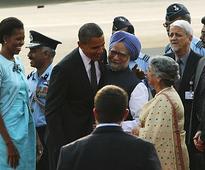
After the second US-India strategic dialogue, Aziz Haniffa finds growing concern about the civilian nuclear deal trapped in limbo.

For more than a decade, Indian bureaucracy has continued to inhibit efforts by Indian American physicians to help the ailing health care there. This was the message conveyed by Dr Navin Shah, former president of the American Association of Physicians of Indian Origin, to Health Minister Ghulam Nabi Azad during an hour-long meeting on the sidelines of the United States-India Strategic Dialogue held in Washington, DC in June.
After her meeting with External Affairs Minister S M Krishna, US Secretary of State said that Indo-US strategic partnership can be upped beyond 3.0 level that she had envisaged. Aziz Haniffa reports
The Obama administration has declared that the Indian American community has always been and will continue to be indispensable to the United States-India Strategic Dialogue. Assistant Secretary of State Robert Blake, who will be by Secretary Hillary Clinton's side as she co-chairs the talks with External Affairs Minister S M Krishna, explained how integral the Indian American community has been to this dialogue.
Rahul Bedi, the New Delhi-based correspondent of Jane's Defence Weekly, tells Sheela Bhatt why the rapid American shift of the Indian military hardware is a dangerous development.
The post-mortem on the United States-India Strategic Dialogue co-chaired by US Secretary of State Hillary Clinton and External Affairs Minister S M Krishna -- which also had the icing on the cake of President Barack Obama attending and delivering remarks at Clinton's reception for Krishna and the Indian delegation at the conclusion of the talks, where he pledged his unequivocal commitment to further US-India ties -- in the eyes of South Asia experts in Washington, DC, was mix
 © 2026 Rediff.com - Advertise with us - Disclaimer - Privacy Policy - Sitemap - Feedback - About us - Terms of use - Grievances