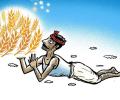
India's policy for agriculture trade must move commodity-by-commodity to gain maximum benefits as US President Donald Trump's 26 per cent tariff on exports from the country take effect, said agriculture economist Ashok Gulati in a recent policy paper.

As a panel of senior ministers deliberates on the need to review curbs on exports of some rice varieties, data shows that since outbound shipments saw restrictions in July-August last year, the non-basmati segment has suffered more than basmati exports. Sources said the panel is expected to soon deliberate on a few suggestions to ease the export curbs on some rice varieties due to higher-than-required stocks in the central pool. The panel, some observers feel, may also postpone the decision to ease the export curbs till a firm picture emerges on the latest kharif paddy sowing.
India's decision to ban the export of non-basmati white rice has pushed up global prices, prompting multilateral lending agencies, such as the International Monetary Fund (IMF), to call for a reconsideration of the move. Though nothing has been spelled out yet officially, sources said, the government might consider requests for government-to-government sale of non-basmati white rice, especially to West African nations where India is a major supplier. Also, traders and exporters of specialty regional rice varieties like sona masuri or gobindo bhog feel that they have been short-changed.

A rice cooked with dahi kadhi is a soothing evening or weekend meal.

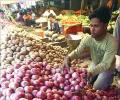
Centre has lifted the ban on exports of a certain variety grown in Karnataka.
 © 2026 Rediff.com - Advertise with us - Disclaimer - Privacy Policy - Sitemap - Feedback - About us - Terms of use - Grievances