
The Pune-based Gennova Biopharmaceuticals has submitted phase 2 data of mRNA vaccine and has also completed the recruitment of phase 3 data.

On Tuesday, Rao said there was a possibility of the PM's visit to Pune, and if that happens, it would be aimed at reviewing the status of the vaccine candidate for coronavirus infection and to know about its launch, production and distribution mechanisms.

As of now, Gennova Biopharmaceuticals has launched a vaccine, Gemcovac-OM, which is based on the Omicron variant.
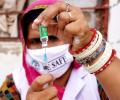
If things go according to plan, the vaccine would be available in the market by the end of this year.

The teams were from Gennova Biopharmaceuticals Ltd Pune, Biological E Ltd Hyderabad and Dr Reddys Laboratories Ltd Hyderabad.
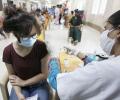
The DCGI's nod came after the subject expert committee on COVID-19 of the CSDCO last week recommended granting emergency use authorisation to Covovax for the age group of 7 to 11 years.
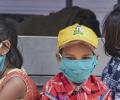
The primary objective was to get the adult vaccine as children rarely have a severe form of the disease. Once schools reopen, the demand for vaccines for children under 12 may soar.

Providence will sell up to 30 mn doses of its mRNA vaccine to Biological E. It would also provide the necessary technology transfer to make the vaccine in India, with a minimum production capacity of 600 mn doses in 2022 and targets capacity of 1 bn doses, reports Sohini Das.

A longer shelf life is critical, given many makers have started manufacturing vaccines and stockpiling them, so as to make them available in the market immediately after approval, reports Sohini Das.
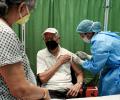
Gennova has also got permission for phase-2 and 3 clinical trials for its lyophilised mRNA vaccine for injection from the subject expert committee advising the Central Drugs Standards Control Organisation, reports Sohini Das.

India's first mRNA platform-based vaccine will remain stable at 2-8 degrees Celsius while Pfizer-BioNTech's vaccine needs minus 70 degrees Celsius and Moderna vaccine can remain stable for six months at minus 20 degrees Celsius, reports Sohini Das.
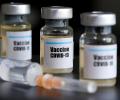
Responding to another question, Choubey said that the phase-I of clinical trials have revealed excellent safety of the two candidate vaccines indigenously developed by Bharat Biotech in collaboration with Indian Council of Medical Research and Cadila Healthcare Ltd, and now their immunogenicity testing is in progress. Their phase II clinical trials are ongoing.

The aim of the mission is to accelerate the development of at least six vaccine candidates and ensure that they are licenced and introduced in market for emergency use at the earliest.
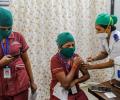
At 8 million a month, times two doses, it will take us 17 years to administer the vaccine to our 800 million adults. The rollout must speed up twenty times, asserts Naushad Forbes.
 © 2026 Rediff.com - Advertise with us - Disclaimer - Privacy Policy - Sitemap - Feedback - About us - Terms of use - Grievances