
Gold premiums in India, the world's biggest buyer of the metal, jumped sharply this week as the festive season began, driving up demand, and supply remained tight.
Wants to help govt fight the widening current account deficit.
The retailers are also mulling putting a stop to selling of gold coins and gold bars to curtail investments made in gold, according to an official of trade body All India Gems and Jewellery Trade Federation.

Jewellers went on strike for three days from March 2.

In India, the gold prices might come down to Rs 18,500-19,000 per 10 grams level from the current Rs 20,500 per 10 grams level.
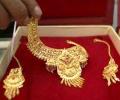
India sharpened measures to curb imports of the yellow metal by hiking the import duty and restricting consignment imports, after shipments jumped to more than 300 tonnes in April and May.
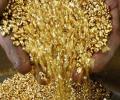
Some jewellers kept their shops shut in Mumbai as well.

India has imposed several restrictions on imports of gold, the biggest non-essential import item, to curb a record trade deficit.
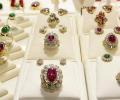
The GST rate for the sector has not yet been finalised by the government.

Govt has so far refused to bring down the import duty to 2% from the current 10%.

India celebrated Dhanteras, the biggest gold buying festival, followed by Diwali, when scarcity of the yellow metal and high prices pushed consumers to buy silver and diamond jewellery.

The strike entered the 15th day on Wednesday.

A sharp decline in sales and prospects of a grim future have resulted in a fall in jewellery stocks.

Spot gold fell as far as $1,142.10 an ounce on Thursday, its lowest since November 2014.

Sales of gold coins and bars should be curbed after reaching around 300 tonnes

Regaining the lost sheen, sales of gold jewellery and coins are set to touch pre-COVID levels in volume terms on the auspicious Dhanteras as easing pandemic concerns and pent up demand saw consumers flocking to stores to buy the precious metal. Increased footfall at stores and brisk sales online as well as relatively softer gold prices compared to record Rs 57,000 per 10 grams level in August spurred increased buying, especially light weight offerings, on Tuesday. Dhanteras is considered to be auspicious for buying precious metals and other valuable items.

Jewellers sold huge quantities of precious ornaments at a premium of up to 50%.

Gold jewellery exports may decline by about 50 per cent in this financial year from last year after government restrictions reduced the availability of raw material, Gitanjali Gems Chairman and Managing Director Mehul Choksi said.
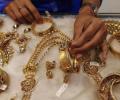
Gold bullion purchases across Asia slowed this week as a long rally in prices discouraged buyers.
Most of the jewellers who had reopened their showrooms in confusion on Monday, kept shutters down today at Mumbai's Zaveri Bazar and several other places, demanding rollback of the proposal.

Over 300 associations, that consists of over 3 lakh manufacturers, retailers, wholesalers and artisans among others, are participating the nationwide stir.
They would intensify the protest if their concerns are not addressed in the Budget.

Jewellers see flat gold sales this Dhanteras
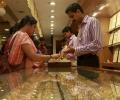
Nearly two-thirds of India's gold demand comes from rural areas where jewellery is a traditional store of wealth for millions who have no access to the formal banking system.

Non-resident Indians are bringing gold into the country by taking advantage of rules that allow each individual to carry 1 kg of the metal, helping traders cope with restrictions on imports during the peak wedding season.

Concern would kick in if imports stay at or over 100 tonnes a month.

The government has not given any concrete assurance on the rollback of excise duty.

Dealers are selling gold at a discount of Rs 175 for 10 gm.

Jewelers also want import duty on gold to be reduced from the current 10 per cent to at least 5 per cent.
In China, premiums fell to about $1.50 an ounce on Friday from $2-$3 an ounce.

Govt restrictions on import biting deep; trade petitions for relief with units, workers idling.

According to World Gold Council (WGC), gold jewellery demand in India, the world's largest consumer, touched record 662.1 tonnes in 2014.

The jewellery industry has welcomed the government's decision to ban old Rs 500 and Rs 1,000 notes, saying gold demand will rise as people will have more faith in the precious metal than the currency notes. But the unorganised builders and secondary (resale) property market would be adversely impacted.

Gold is currently ruling at Rs 30,050 per 10 grams.

Govt clamps have resulted in 93% decline in April-November

Supply through recycling of used gold declined to around 10 tonnes in the second quarter of the current calendar year.
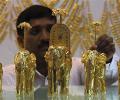
By tying gold imports directly to export volumes, India is effectively trying to cap how much bullion can be brought into the country, tightening supplies and driving up local prices.
Levy in India one of the highest in the world; finance minister urges banks to tell customers not to invest in the metal.

The best way to curb gold demand is by reducing black money in circulation.

According to jewellers and MMTC-PAMP India, gold demand has picked up in the wake of good monsoon and favourable price levels. There was positive response and more footfalls.
 © 2026 Rediff.com - Advertise with us - Disclaimer - Privacy Policy - Sitemap - Feedback - About us - Terms of use - Grievances