
State Bank of India (SBI), in a report on Friday, claimed a significant decline in the headline poverty ratio in rural areas on account of enhanced physical infrastructure, higher consumption growth in the bottom fractile and direct benefit transfers (DBTs).
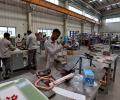
In a relatively rare occurrence, the growth in manufacturing jobs exceeded the pace of sector growth in 2022-23 (FY23). The number of persons engaged in the segment grew by 7.43 per cent in FY23, according to figures from the Annual Survey of Industries (ASI) released on September 30. The gross value added for the manufacturing sector grew by 4.24 per cent in current prices and declined by 2.2 per cent in real terms for FY23, according to earlier annual figures released by the government.

The quality of employment has deteriorated in 12 of the 21 major states and Union Territories, as the proportion of workers in regular or salaried jobs declined between July 2022 and June 2023 compared to the previous year, according to a Business Standard analysis of the latest Periodic Labour Force Survey (PLFS) released by the National Statistical Office. Assam experienced the most significant decline in the share of workers in salaried work, dropping by 8.7 percentage points to 10.8 per cent in the July 2002-June 2023 period from 19.5 per cent in the July 2021-June 2022 period. This was followed by Delhi (6.2 percentage points), Uttarakhand (5.2 percentage points), and Chhattisgarh (1.6 percentage points).

While the country's unemployment rate is falling, the quality of employment seems to have taken a hit. The pace of formalisation slowed in the five months of the current financial year (April-August) with more than half a million fewer formal jobs created in the period compared to the same period last year, according to data from the Employees' Provident Fund Organisation (EPFO). The payroll data showed that cumulatively 4.92 million new subscribers joined the social security organisation between April-August this year, compared to 5.51 million subscribers in the same period in the previous year, reflecting a 10.7 per cent decline in the number of new payrolls created.

India's unemployment rate fell to a six-year low of 3.2 per cent in the July-June 2022-23 period, down from 4.1 per cent in the same period the previous year, according to the latest annual Periodic Labour Force Survey (PLFS) report. The report, released by the National Statistical Office (NSO) on Monday, showed a decline in unemployment rates in both rural and urban areas during the 2022-23 period to 2.4 per cent and 5.4 per cent, respectively, from 3.2 per cent and 6.3 per cent in the 2021-22 period. The unemployment rate for rural women (1.8 per cent) was lower than that for rural men (2.7 per cent) in 2022-23; in urban areas, the rate was higher for females (7.5 per cent) compared to males (4.7 per cent).

'Without a poverty line, how are we to know whether poverty is the same, or it has come down or it has gone up?'

Youth unemployment (ages 15 to 29) is higher than the national average of 12.4 per cent in Telangana (14.2 per cent) and Rajasthan (13 per cent), followed by Chhattisgarh (6.7 per cent) and MP (6 per cent).


'When the average growth in the last three years was just 2.5%, how does that make us the fastest growing country?' 'They only tell you what has happened in the last 2 years; they are not taking into account what happened in FY21 on account of their mistakes.'

'According to CMIE data, employment in manufacturing saw a reduction from 51 million in the country in 2016 to 27 million in 2021. 'That is, it has halved in just 5 years. 'At the same time, the national lockdown resulted in reverse migration to rural areas, and an increase in the number of workers in agriculture. 'It also means joblessness has increased in agriculture because there are too many workers; the number of workers went up from 200 million to 232 million.'

'When you need to revive the economy, when you need to revive aggregate demand, you cut taxes.' 'But what's this government doing?' 'It's increasing taxes for the middle class and the vast majority of the poor on fuel, which has a ratchet effect on most other products.'

Pages for the Bharatiya Janata Party's Bihar arm (BJP Bihar), Janata Dal-United, and Chirag Paswan (of the Lok Janshakti Party) saw between Rs 15 lakh and Rs 30 lakh in ad spends.

The UK University League Tables and Rankings 2016 ranks the best institutes for graduate prospects.

Eating breakfast before exercise increases the speed at which we digest, absorb and metabolise carbohydrate that we may eat after exercise.

The survey, conducted by the Times Higher Education (THE), ranks universities according to 21 parameters that enhance student experience.

In 2012, with one million deaths, China reported the highest toll from PM2.5 and PM10 pollution. At the time, India followed, reporting 621,138 deaths, nearly 10 per cent of the global toll associated with outdoor and indoor air pollution
 © 2026 Rediff.com - Advertise with us - Disclaimer - Privacy Policy - Sitemap - Feedback - About us - Terms of use - Grievances