
In the wake of continued heated rhetoric from North Korea, the United States is deploying a ballistic missile defence system in Pacific Island of Guam.

The United States and South Korea will deploy the advanced THAAD missile defence system on the volatile Korean peninsula as a "defensive measure" to counter the growing security threat from North Korea's weapons of mass destruction. The move has not gone down well with China which said that the move will harm the security of countries in the region.

Chinese President Xi Jinping has bestowed special honours on a PLA battalion posted in Tibet close to Arunachal Pradesh for its "outstanding performance in safeguarding borders".

Chinese President Xi Jinping on Sunday said the People's Liberation Army has the confidence and capability to defeat all invading enemies as he inspected a massive military parade at the country's largest military base to mark the 90th founding anniversary of the 2.3-million strong army.

The US also blasted China and Russia for not joining hands with the international community in their efforts to combat the North Korean threat.

North Korea is unlikely to strike first, but its response in retaliation, if attacked, could be massive even at the expense of its own destruction, says Rajaram Panda.

While trying to persuade North Korea to give up its provocative actions, engaging China is the first hurdle that world leaders will have to deal with, says Rajaram Panda.
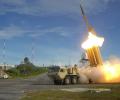
Deployment of THAAD in South Korea could unfold a new cataclysm in the Korean Peninsula with unwelcome prospects.
 © 2026 Rediff.com - Advertise with us - Disclaimer - Privacy Policy - Sitemap - Feedback - About us - Terms of use - Grievances