
The plea claimed the blocking was effected by the intermediary pursuant to an undisclosed direction allegedly issued by the Centre citing vague grounds of "national security" and "public order".
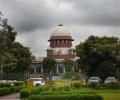
The Supreme Court of India has sought responses from the Centre and others on a petition challenging the blocking of the YouTube channel '4PM'. The petitioner, Sanjay Sharma, the Editor of the channel, alleges that the blocking order, issued by an intermediary based on an undisclosed direction from the Centre, violates his right to free speech and the public's right to information. The plea argues that the blocking was based on vague grounds of 'national security' and 'public order' without any opportunity to be heard. The court has issued notices to the Centre and others seeking their responses on the petition.
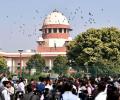
A bench of Justices B R Gavai and Augustine George Masih issued notices to the Centre and others seeking their responses on a plea filed by the Delhi government against the December 24 2024 direction of the Delhi high court.
The Supreme Court of India will likely hear a batch of petitions challenging the constitutional validity of the Waqf (Amendment) Act, 2025 on April 15. The Act, which came into force on April 8, has been met with widespread criticism from various stakeholders, including politicians, the All India Muslim Personal Law Board (AIMPLB), and Jamiat Ulama-i-Hind. They argue that the law is discriminatory and violates the fundamental rights guaranteed under Articles 25 and 26 of the Constitution. The petitions allege that the amendments give the government more control over the administration of Waqf, effectively sidelining the Muslim minority from managing their own religious endowments.

A three-judge Supreme Court bench will hear petitions challenging the constitutional validity of the Waqf (Amendment) Act, 2025, on April 16. The petitions, including those by politicians and the All India Muslim Personal Law Board (AIMPLB) and Jamiat Ulama-i-Hind, were filed in the top court challenging the validity of the newly-enacted law. The Centre has filed a caveat in the apex court, seeking a hearing before any order is passed.

A fresh plea was filed in the Supreme Court on Thursday challenging the Karnataka high court verdict which dismissed the petitions seeking permission to wear a hijab inside the classroom saying hijab is not a part of the essential religious practice in Islam.
 © 2026 Rediff.com - Advertise with us - Disclaimer - Privacy Policy - Sitemap - Feedback - About us - Terms of use - Grievances