Mutton is retailing here at Rs 600 a kg, from Rs 500 a kg about a month before. Price of broiler chicken is Rs 150-160 a kg, as compared to Rs 130 a kg earlier.
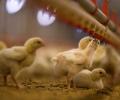
A data shows the number of backyard poultry has risen by 46 per cent between 2012 and 2019. The development is extremely positive because it provides an incentive for small and marginal farmers to rear birds.
Weak demand from the poultry sector has resulted in a sharp decline in feed prices too, with both soybean and maize prices falling by nearly 25 per cent in the past two months. The poultry market consumes around half of soybean and maize production in India.

The death of a 11-year-old boy due to 'bird-flu', even before the devastating effects of the second Covid wave have waned, has alarmed the medical fraternity though they assert that human-to-human transmission of H5N1 virus is extremely rare. The event has also put the Rs 90,000 crore domestic poultry industry which was seeing some uptick in demand after months of low sales last year into a spot of bother, as any curb on sale or production of eggs or chicken could have a devastating impact on its revenues. It is estimated that around 60 million people are directly impacted by the poultry sector in India. H5N1 virus, also commonly known as bird flu, is known to spread from chickens but other birds such as ducks and crow are also carriers of the virus.
Poultry prices are likely to start firming up in the next four weeks, when the examination season gets over and with the onset of summer in April.
Saudi Arabia is the second largest importer of poultry products from India and exporters fear other importing countries might follow suit.
Prices of broiler chicken had hit the record high in June on supply shortage following the government's decision to cull thousands of birds in the states with Avian Influenza outbreaks.
 © 2026 Rediff.com - Advertise with us - Disclaimer - Privacy Policy - Sitemap - Feedback - About us - Terms of use - Grievances