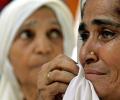
As a consequence of prominence given to the brutality during those few days, a very important aspect of that episode got almost glossed over. This was the intervention by a very significant section of people who restored faith in humanity, and conveyed the message that only a small section of Indians, that too politically backed, were consumed by anti-Sikh majoritarianism. The overlooked facet of the events of 1984 was the story of significant sections of the city's populace, public figures and nondescript ones, stepping out hand-in-hand, to first stand with little but bravery in hands, in the way of attackers, and thereafter to provide immediate relief to those who lives were uprooted and who lost family members in the violence, recalls Nilanjan Mukhopadhyay.

According to a media report published on Saturday, only one of the outfits to which eight of the arrested activists belonged was declared as unlawful.
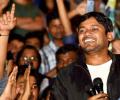
JNU student union president Kanhaiya Kumar came under strong criticism for his remarks that 1984 anti-Sikh riot was a "mob-led massacre" while 2002 Gujarat riots were a "state sponsored violence."
The top court directed the Maharashtra government to place before it the material which was collected during the investigation against Navlakha and placed before the high court in a sealed cover.

The Allahabad high court on Monday extended the stay on the execution of death sentence awarded to Nithari killings prime accused Surinder Koli till December 23.

"Inordinate delay" in deciding Koli's mercy plea led to the HC verdict.

'Muslims and Dalits must erase the way they remember their past, or carry out their their performances in private,' says Jyoti Punwani, as Maharashtra's Censor Board denies permission to a play Jai Bhim, Jai Bharat.

The families of the Muslim youth from Hashimpura who were shot dead 28 years ago had some committed supporters in their long struggle for justice.
 © 2026 Rediff.com - Advertise with us - Disclaimer - Privacy Policy - Sitemap - Feedback - About us - Terms of use - Grievances