
A new study reveals that green hydrogen's potential as a sustainable fuel is contingent on the rapid decarbonisation of energy grids worldwide.

By understanding the elements that rule your birth number, you can learn how to enhance your professional journey, improve your work life and grow in your career.

WHO has urged people at risk to keep up with their vaccinations with boosters.
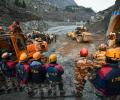
The study by an international team led by scientists at the UK's Newcastle University is the first global assessment of areas at greatest risk of Glacial Lake Outburst Floods (GLOF). Published in the journal Nature Communications on Tuesday, it estimates that 15 million people around the world are at risk from flooding caused by glacial lakes.

Children who previously had COVID-19 or the inflammatory condition MIS-C are not protected against the Omicron variant of coronavirus, according to a study which found vaccination, however, does afford protection.
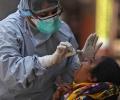
A drug developed by the Defence Research and Development Organisation (DRDO) may reverse the heart damage caused by a protein in the SARS-CoV-2 virus, a study conducted in fruit flies and mice has found.

The researchers believe their findings provide a blueprint for a second-generation, universal vaccine that could prevent infection from current and future SARS-CoV-2 variants, including Omicron.
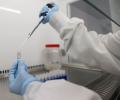
The researchers from the the University of Texas Health Science Center at San Antonio (UT Health San Antonio) in the United States said by enabling this modification, nsp10 protects the virus from host cell immune response.

Exercise is the best way to get more oxygen to the brain, a study has revealed.

Turns out, food high in unsaturated fat may protect against cardiovascular diseases.

A new research has pinpointed some genes that can trigger depression.

"Built on what was a series of islands, the city's historic downtown core is particularly vulnerable," the NYT said.

According to a study, sugar makes cancer tumours more aggressive.

Prime Minister Narendra Modi on Monday gave a clarion call for a "global people's movement" to bring about a behavioral change to deal with climate change as he made a path-breaking pledge to more than double India's non-fossil fuel target to 400 gigawatts.
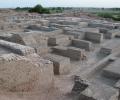
Scientists have found that much of the Indus civilisation thrived around an extinct river, challenging ideas about how urbanisation in ancient cultures evolved.

The discovery of a material that maintains a rechargeable sulphur cathode helps to overcome a primary hurdle to building a lithium-sulphur (Li-S) battery.

Dr Mahmood Alam, an Indian scientist, is among a group of top international scientists who has identified a key protein that if targeted stops malaria, paving the way for new treatments.

The second part of journalist Rajdeep Sardesai's interview to Sheela Bhatt/Rediff.com.
 © 2026 Rediff.com - Investor Information - Advertise with us - Disclaimer - Privacy Policy - Sitemap - Feedback - About us - Terms of use - Grievances