
Households should moderate large discretionary expenses for the time being.
'They should prioritise essential spending. They should maintain an emergency fund covering 6 to 12 months of expenses.'

Investors with a 6 to 12 month horizon may consider them. They should align their holding period with the fund's maturity profile and prefer schemes with a lower expense ratio.

Investors are moving away from the commercial paper (CP) market towards certificates of deposit (CDs), as primary CD issuances and rates on these short-term instruments rise.

Dhawal Dalal, executive vice-president & head, fixed income, DSP BlackRock Investment Managers, expects the central bank to hold rates for the rest of calendar year 2016.

Investors not comfortable investing directly may take the mutual fund route, where they get exposure to a diversified portfolio of bonds.
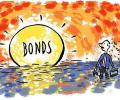
In the state of the economy report, the RBI said bond vigilantes could undermine the recovery, unsettle financial markets, and trigger capital outflows from emerging markets.

Exposure to debt funds and gold is essential even if current returns from these asset classes are low, suggests Sanjay Kumar Singh.

These schemes are expected to perform in the next 2-3 years.
 © 2026 Rediff.com - Investor Information - Advertise with us - Disclaimer - Privacy Policy - Sitemap - Feedback - About us - Terms of use - Grievances