
Civilian flight operations from the 32 airports across northern and western India, including Srinagar and Amritsar, were suspended from May 9 to May 15.
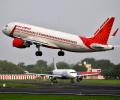
Tata Group-owned Air India, under its new chief executive officer and managing director Campbell Wilson, is optimising its domestic strategy under which the carrier is "densifying" its presence on metro-to-metro routes and exiting from unviable ones, Business Standard has learnt. Wilson took charge on July 25. Air India has increased its flights on metro-to-metro routes such as Delhi-Mumbai, Delhi-Bengaluru, Mumbai-Chennai, Mumbai-Bengaluru, and Hyderabad-Mumbai between June and November this year.

According to Air India, the number of flights per week would be increased on routes such as Delhi-Bengaluru-Delhi, Delhi-Amritsar-Delhi, Chennai-Ahmedabad-Chennai and Chennai-Kolkata-Chennai.

A foggy Thursday morning brought bad news for air travelers in Delhi, as nearly 35 flights were delayed, and runway visibility dropped down to barely 50 meters.The national flights affected are Delhi-Amritsar, Delhi-Leh, Delhi- Bangalore, Jaipur-Mumbai, Delhi-Lucknow, Delhi-Mumbai, Delhi-Ahmedabad, and Guwahati-Imphal.Several international flights have also been affected like those coming from Singapore, Bahrain, Abu Dhabi, London, Istanbul, Tehran and Beijing.
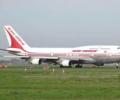
Air India will introduce new flights and also increase frequency of flights on various sectors from March 28, when summer schedule comes into effect.
Jet Airways has introduced three daily flights from Delhi to Amritsar/ Vadodara/ Raipur.

The army conducted flag march in tense areas and used choppers to reach parts of Rohtak even as incidents of violence and arson by Jats demanding quota continued
 © 2026 Rediff.com - Advertise with us - Disclaimer - Privacy Policy - Sitemap - Feedback - About us - Terms of use - Grievances