
Batters launched balls so high into the sky that they looked like rockets taking off from the centre square.
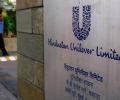
FMCG major Hindustan Unilever Ltd (HUL) on Thursday reported a 5.97 per cent rise in its consolidated net profit to Rs 2,768 crore for the June quarter of FY26, helped by gains from a re-estimation of taxes paid in the previous year. The company had logged a net profit of Rs 2,612 crore in the April-June quarter a year ago, according to a regulatory filing from HUL, the maker of popular brands as Dove, Lifebuoy, Lux, Lakm, and Sunsilk.
Leading FMCG companies reported a decline in margins in the September quarter on account of higher input costs and food inflation, which ultimately slowed down the pace of urban consumption. Rising prices of commodity inputs such as palm oil, coffee and cocoa were also accentuated and some FMCG firms have hinted at a price hike. HUL, Godrej Consumer Products Ltd (GCPL), Marico, ITC, and Tata Consumer Products Ltd (TCPL) have expressed concerns over squeezing urban consumption, which according to industry experts forms 65-68 per cent of FMCG total sales.

Images from the IPL 2023 match between Kolkata Knight Riders and SunRisers Hyderabad played at the Eden Gardens in Kolkata on Friday
Besides, the ongoing war between Russia and Ukraine has also added another blow to FMCG makers as they expect a rise in the prices of wheat, edible oil and crude. Companies such as Dabur and Parle are watching the situation and will undertake calibrated price increases to mitigate the inflationary pressures.


More than a hundred years ago, Hindustan Unilever launched a soap called Lifebuoy in India.
Faced with stiff competition from rivals and in a hurry to draw footfalls, hypermarkets are indulging in intense price war.

To tackle the resultant inflation, the Indira Gandhi government had imposed price controls on manufactured products, including soaps and vanaspati, in 1973.
Reliance Industries and Nitesh Estates, a Bangalore-based real estate developer, are in the shortlist to buy Hindustan Unilever's Brookefields property in Bangalore.
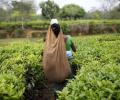
Madhu Jayanti's Rs 55-crore packet tea business so far is only in Maharashtra and Karnataka. After Eveready's tea business buyout, MJIL's tea production in India will increase from 2.4 million kg to 6.2 mkg and its income from branded tea sales will rise 53 per cent to Rs 198 crore this fiscal year itself. It will also be available in 14 states.

Names such as Danone, Dabur, Mondelez and Abbott Healthcare have also figured on the list of suitors.

'Indian creative and digital agencies seem to be completely missing the mark,' says advertising and media veteran Sandeep Goyal.

Gujarat-based tea major will run a Rs 2-cr roadblock on Hindi and regional news channels.

Teatime enjoys a special place in Hindi films.
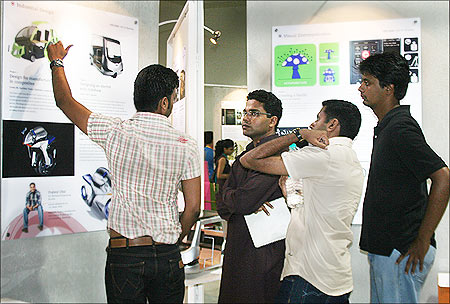
Funding Indian start-ups has slowed down.

A more rigorous training in core skills is required to boost the engineering talent in the country, instead of a varnish of 'soft skills', says Ajit Balakrishnan.

Then chief minister Jyoti Basu once told an industrialist that capitalists were class enemies and he should expect no sympathy.

Stating that India is new bright spot of hope and opportunity for the world, the prime minister said India among other things is igniting the engines of its manufacturing sector and making its farms more productive and more resilient.

Prime Minister Narendra Modi on Thursday address Members of the British Parliament in London where he promised to open more doors of cooperation between the two countries and delved on issues like terrorism and United Nations reforms.
 © 2026 Rediff.com - Advertise with us - Disclaimer - Privacy Policy - Sitemap - Feedback - About us - Terms of use - Grievances